Scratch: The Modern Handbrush Font for Dynamic Design
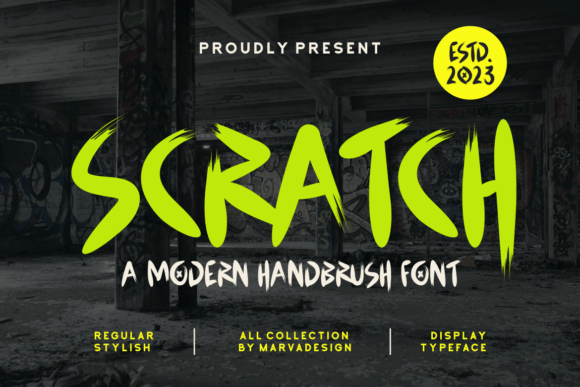
In a digital landscape saturated with clean sans-serifs and classic serifs, finding a typeface that injects immediate personality and contemporary energy can feel like a challenge. Enter Scratch, a trendy modern handbrush font that masterfully blends expressive style with professional polish. Its sleek, confident strokes and casual yet sophisticated vibe offer designers a powerful tool to break visual monotony and create a bold, human connection in their work.
Why Modern Handbrush Typography Matters
Typography is a fundamental pillar of visual design, directly influencing brand identity, user experience, and overall communication effectiveness. While traditional fonts excel in clarity and neutrality, a style like Scratch serves a different, vital purpose. It brings warmth, approachability, and a sense of crafted authenticity. This makes it particularly valuable in today’s design trends, where audiences often seek relatability and a break from overly corporate aesthetics. The right handbrush font can elevate a project from merely functional to memorably expressive.
Practical Applications for Scratch
The versatility of Scratch allows it to enhance a wide array of creative projects. Its dynamic nature ensures it stands out in contexts where impact and personality are key. Consider integrating this font into your design workflow for:
- Branding and Logo Design: Use Scratch to create distinctive wordmarks or complementary taglines for brands in lifestyle, food, or creative industries that value a personal touch.
- Marketing Materials: Capture attention in flyers, posters, and digital ads with headlines that feel energetic and hand-crafted, boosting engagement in advertising campaigns.
- Social Media Content: Create scroll-stopping graphics for Instagram Stories, Pinterest pins, or Facebook posts where a bold typographic statement can increase visibility and shares.
- Website and UI Design: Apply Scratch strategically for hero sections, call-to-action buttons, or section headers to guide the user's eye and add visual interest without compromising overall usability.
- Packaging Design: Convey artisanal quality and modern flair on product labels, boxes, or merchandise, helping a product stand out on crowded shelves or in online stores.
- Editorial Layouts and Presentations: Break up long blocks of text in magazines, blogs, or slide decks with engaging pull-quotes or chapter titles that maintain reader interest.
Integrating Scratch Effectively into Your Workflow
Adopting a new font like Scratch requires more than just installation; it demands thoughtful integration into your existing design system. To maximize its impact and maintain a cohesive brand identity, consider these practical tips:
First, establish clear hierarchy and contrast. Pair Scratch with a more neutral, highly readable body font. This contrast ensures the expressive handbrush style highlights key messages without overwhelming the viewer or sacrificing readability for longer text passages. Always test your combinations across different screen sizes for web design and UI design projects.
Second, mind your color palette and composition. The energetic nature of Scratch works best when supported by a considered color scheme and clean layout. Let the font be a focal point, not a competing element. Its strokes can complement or intentionally contrast with your imagery, but balance is crucial for a professional presentation.
Finally, evaluate scalability and context. While Scratch excels in headlines and short bursts of text, assess its performance at very small sizes for UI elements or in dense print design. Its primary strength lies in making a visual statement, so align its use with your specific design goals—whether that's driving engagement, conveying creativity, or enhancing a brand's unique voice.
Ultimately, tools like Scratch are more than just creative assets; they are instruments for shaping perception and building connections. By selecting typography that aligns with your project's spirit and audience expectations, you make deliberate choices that strengthen visual communication. Thoughtful design, supported by quality resources, doesn't just look better—it communicates more effectively, leaving a lasting and positive impression.