Abcd Cursive Handwriting Tracing Bundle: A Designer's Asset
In a digital world saturated with clean, geometric sans-serifs, the authentic, human touch of cursive script is making a powerful comeback. For graphic designers, this isn't just about nostalgia; it's about creating a unique visual voice that captures attention and conveys personality. The challenge, however, lies in sourcing a script font that feels genuine, versatile, and, most importantly, usable. This is precisely where a thoughtfully crafted asset like the Abcd Cursive Handwriting Tracing Bundle becomes an indispensable part of a modern designer's toolkit, bridging the gap between authentic penmanship and digital application.
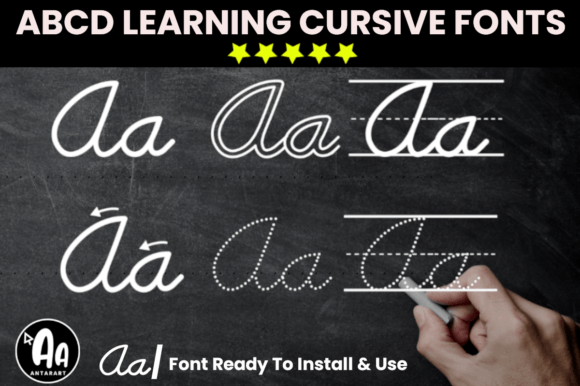
This specialized font collection is more than just a set of letters. It's a versatile creative resource built on the principles of The D'Nealian Method, a handwriting system renowned for its legibility and flow. These handwritten fonts help you create thousands of worksheets using any software, but their true value for designers lies in their ability to inject warmth, authenticity, and a personal feel into any visual project.
Why Authentic Typography Matters in Modern Design
In an era of brand storytelling, typography is a primary vehicle for conveying emotion and character. While a geometric sans-serif communicates modernity and efficiency, a fluid cursive script can evoke feelings of elegance, creativity, warmth, or luxury. The visual impact of well-chosen typography directly influences user experience, brand perception, and the overall quality of a design. A font bundle like this provides a reliable way to incorporate that human element without sacrificing professionalism or clarity.
Practical Applications for Creative Professionals
The versatility of the Abcd Cursive Handwriting Tracing Bundle extends across numerous design disciplines. Its ability to blend a personal touch with professional clarity makes it suitable for a wide array of creative projects.
- Branding and Logo Design: Create memorable logos for boutique brands, artisanal products, or creative agencies. A cursive script can instantly establish a brand identity that feels personal and high-end.
- Marketing and Social Media Graphics: Use script fonts for eye-catching headlines, call-to-action phrases, or inspirational quotes in digital marketing campaigns. They add a dynamic, human feel to social media posts, making them more engaging and shareable.
- Editorial and Web Design: In editorial layouts or on a website, a cursive font can be used for pull quotes, subheadings, or accent text to create a strong visual hierarchy and guide the reader's eye.
- Packaging and Merchandise: Elevate packaging design for cosmetics, food products, or stationery. The handwritten aesthetic suggests care and craftsmanship, adding significant perceived value.
- Presentations and UI Design: Break the monotony of standard corporate presentations with elegant script headings. In UI design, use it sparingly for elements like welcome messages or feature callouts to soften the interface and improve user engagement.
Integrating Script Fonts into Your Design Workflow
Successfully incorporating a cursive font requires more than just a simple swap. To maintain a polished and professional result, designers must consider a few key factors. The goal is to enhance, not overwhelm, the overall composition.
First, prioritize readability. Use script fonts for display purposes—headlines, logos, and short phrases—rather than for body text. Pair them with a clean, simple sans-serif or serif font to ensure the message remains clear and accessible. Second, ensure consistency. The chosen script should align with the project's overall brand identity and color palette. A whimsical, casual script may not fit a luxury brand's sophisticated aesthetic. Finally, consider scalability. A quality font will maintain its integrity and legibility across different sizes, from a small social media icon to a large-format print design.
Ultimately, the strength of your design lies in the harmony of its elements. Thoughtful typography choices, supported by high-quality creative assets, are fundamental to effective visual communication. By selecting resources that offer both aesthetic appeal and practical usability, designers can craft compelling narratives that resonate with their audience and elevate every project from merely functional to truly memorable.