Pillowtalk: Elevate Your Creative Projects with Handwritten Charm
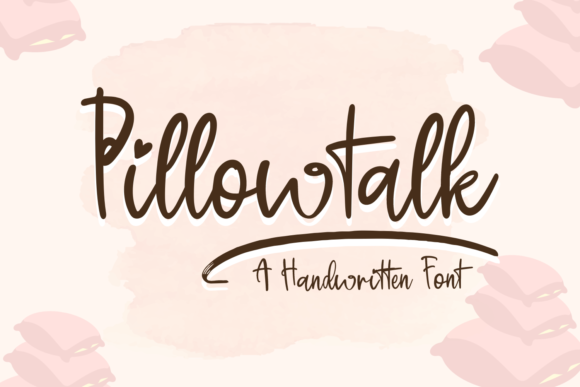
In the world of design, the right typeface can transform a simple message into a memorable experience. Pillowtalk is a beautiful handwritten font perfect for any creative project and design, be it inspirational posters or brand promotion. Its elegant, flowing letterforms bring a personal, human touch that resonates deeply in today's digital landscape, where authenticity is key. This font is not just a tool; it's a statement of style and warmth, making it a great asset for crafters and graphic artists alike.
The Role of Handwritten Typography in Modern Visual Design
Typography is a cornerstone of visual communication. While clean sans-serifs and classic serifs have their place, handwritten fonts like Pillowtalk inject personality and emotion into a design. They break the monotony of standard text, guiding the viewer's eye and creating a distinct visual hierarchy. In an era of design trends leaning toward modern aesthetics that feel both polished and approachable, a font with this character can be the differentiating factor. It helps bridge the gap between professional presentation and human connection, which is crucial for effective branding and user engagement.
Practical Applications for the Pillowtalk Font
The versatility of a well-crafted script font allows it to shine across numerous applications. Its inherent elegance makes it suitable for projects that require a touch of sophistication or whimsy. Consider how integrating this typeface can enhance various facets of your design workflow:
- Brand Identity and Logo Design: Use it to create distinctive wordmarks or logotypes for boutiques, cafes, lifestyle brands, or artisanal products. It helps establish a brand identity that feels curated and personal.
- Marketing and Social Media Graphics: Craft compelling headers for Instagram stories, quote graphics, or promotional banners. Its visual impact helps stop the scroll and increase engagement on digital platforms.
- Editorial and Web Design: Apply it to subheadings, pull quotes, or accent text in magazines, blogs, or website hero sections. This adds a layer of design inspiration without compromising the readability of body copy.
- Packaging and Print Design: Elevate product labels, thank-you cards, or invitation suites. In packaging design, a handwritten element can communicate care and quality to the consumer at the point of sale.
Integrating Fonts into Your Design System
Successfully using a display font like Pillowtalk requires thoughtful implementation. It should complement, not compete with, your primary typefaces. A key tip is to pair it with a simple, neutral sans-serif for body text to maintain clarity. Always consider your audience expectations and the project's goals—a playful script might be perfect for a children's brand but less so for a corporate financial report.
When evaluating any creative asset, consider its scalability and how it interacts with your color palette. Ensure the font remains legible across different sizes and on various backgrounds. Test it in your design software to see how its characters flow together. Add it confidently to your work, but always with an eye for balance within the broader composition. The goal is to make your work outstanding by using the right tool for the right context.
Enhancing Communication Through Thoughtful Choices
Every design choice, from imagery to typography, contributes to the overall narrative. A font is more than just letters; it's a vessel for tone and emotion. Selecting a typeface that aligns with your message strengthens your visual communication and reinforces your brand's story. Quality creative assets streamline the design process, allowing you to focus on strategy and innovation rather than searching for basic components.
Ultimately, the power of design lies in its ability to connect. By incorporating elements that are both aesthetically pleasing and functionally sound, you create work that not only looks professional but also communicates effectively. Thoughtful typography is a critical step in that process, turning ordinary content into an engaging visual journey for your audience.