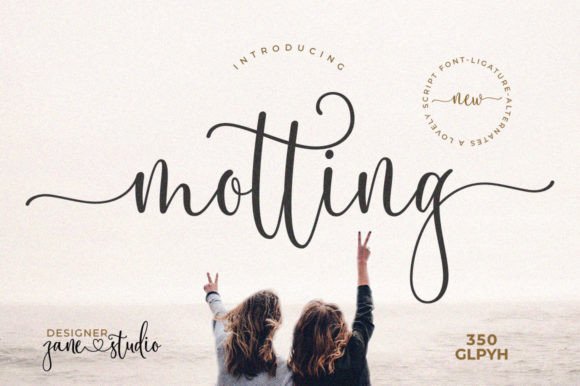
Motting: The Elegant Font for Sophisticated Design
In the crowded landscape of digital typography, finding a typeface that balances elegance with practical application can transform a project from ordinary to exceptional. The Motting font exudes a sense of sophistication and class with its delicate curves and fluid lines, making it a compelling choice for designers seeking to infuse their work with a premium aesthetic. Its design philosophy centers on creating visual harmony, where each letterform contributes to a cohesive and polished visual identity.
The Role of Typography in Modern Visual Communication
Typography is a cornerstone of effective graphic design, directly influencing readability, mood, and brand perception. A well-chosen font does more than display text; it communicates subliminal messages about quality, personality, and professionalism. For contemporary branding, the right typeface can strengthen brand identity, ensure consistency across touchpoints, and enhance user engagement. Fonts like Motting, with their refined details, are particularly valuable for projects where a modern, luxurious, or artistic sensibility is desired. They help establish a clear visual hierarchy, guiding the viewer's eye and emphasizing key information.
Practical Applications for a Refined Typeface
The versatility of a sophisticated serif or script font allows it to shine across numerous creative projects. Its inherent elegance makes it ideal for applications where first impressions and perceived value are critical.
- Branding and Logo Design: Establish a high-end brand identity for luxury goods, boutique services, or creative studios. The fluid lines can lend an artisanal or bespoke quality to a logo.
- Marketing Materials: Elevate brochures, lookbooks, and business cards. A polished typeface ensures print design materials feel premium and are memorable to potential clients.
- Social Media Graphics: Create standout posts, story highlights, and promotional banners that capture attention in a fast-scrolling feed, enhancing digital marketing efforts.
- Website and UI Design: Use for impactful headlines or hero text on websites, particularly for brands in fashion, beauty, or hospitality, to create an immersive and aesthetically pleasing user experience.
- Editorial Layouts: Add a touch of sophistication to magazine spreads, book titles, or report covers, improving the overall visual design and reader engagement.
- Packaging Design: Communicate quality and care on product labels and boxes, directly influencing consumer perception at the point of sale.
- Presentations & Digital Products: Transform standard slides or digital downloads into professional, cohesive presentations that command respect and hold attention.
Integrating Design Assets Effectively
When incorporating any new creative asset into your design workflow, thoughtful evaluation is key. Consider the following to ensure seamless integration and maximum impact:
- Consistency is Crucial: Ensure the font's style aligns with your existing brand system, including color palette, imagery, and overall tone. It should complement, not clash with, other visual elements.
- Readability and Scalability: Test the typeface at various sizes. While highly decorative fonts excel in headlines, ensure body text remains legible. A font that is PUA encoded, like Motting, offers extended glyph access, allowing for unique flourishes in display text without sacrificing core readability.
- Audience and Context: Match the typeface's personality to your target audience's expectations. A flowing script may be perfect for a wedding invitation but less suitable for a corporate financial report.
- Visual Hierarchy: Use weight, size, and spacing strategically. Pairing a decorative font like Motting with a clean, simple sans-serif for body text often creates a balanced and professional presentation.
Ultimately, the tools you choose are direct reflections of your creative vision and professional standards. Investing in high-quality typography and design assets is an investment in clear communication and powerful branding. By selecting typefaces that offer both aesthetic appeal and functional flexibility, you empower yourself to produce work that is not only visually stunning but also strategically effective, leaving a lasting and positive impression on your audience.