Handmade Melody: The Font That Sings with Warmth and Personality
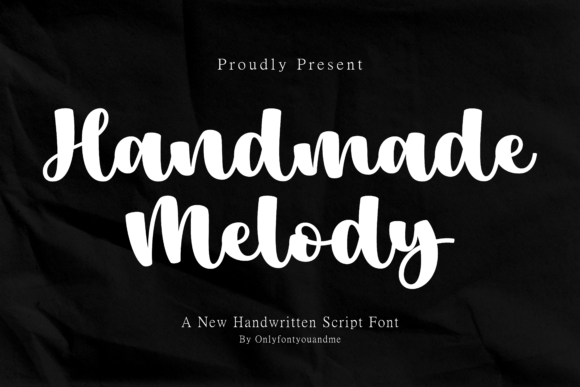
Imagine a typeface that doesn't just sit on the page, but sings with the warmth of a handwritten note and the flow of a favorite melody. This is the essence of Handmade Melody, a font designed to inject genuine emotion and a personal, artisanal touch into your creative projects. In a digital landscape often dominated by sterile, geometric sans-serifs, this typeface offers a refreshing return to authenticity, making it a powerful tool for designers seeking to forge a deeper connection with their audience.
Why Handmade Typography Matters in Modern Design
Typography is the voice of your design. While clean, modern fonts excel in clarity and scalability, they can sometimes lack the emotional resonance needed to tell a human story. Handmade Melody fills this gap. Its lyrical, flowing strokes and organic imperfections mimic the natural rhythm of hand-lettering, evoking feelings of creativity, care, and individuality. This makes it exceptionally effective for projects where conveying a personal narrative or a crafted quality is paramount, strengthening brand identity and enhancing visual communication in ways that standard fonts cannot.
Practical Applications for Creative Impact
The true value of a creative asset like Handmade Melody lies in its versatility. It’s not just for Mother’s Day designs; it’s a resource that can elevate a wide array of creative projects. Consider its application across these common design contexts:
- Branding & Logo Design: Ideal for boutique brands, artisanal products, wedding stationery, or any business wanting to project a friendly, approachable, and authentic image. It helps build a brand identity rooted in warmth.
- Marketing & Social Media Graphics: Captures attention in crowded feeds. Use it for quotes, promotional headers, or calls-to-action on Instagram, Pinterest, and Facebook to boost user engagement with its inviting personality.
- Packaging & Editorial Design: Perfect for product labels, book covers, magazine headlines, or invitation suites. It adds a premium, handcrafted feel that communicates quality and intention, enhancing the overall unboxing experience.
- Web & UI Design: Strategically use it for hero sections, call-to-action buttons, or short, impactful headlines to create visual hierarchy and break the monotony of body text, guiding the user’s eye with its unique rhythm.
- Advertising & Presentations: Creates memorable campaigns and slides that stand out. Its distinct character helps messages resonate emotionally, making complex ideas feel more accessible and human.
Tips for Using Expressive Fonts Effectively
Integrating a display font like Handmade Melody requires thoughtful execution to maintain professional presentation and readability. Here are key considerations for your design workflow:
- Prioritize Hierarchy and Contrast: Pair it with a simple, neutral sans-serif or serif for body copy. This contrast ensures readability while allowing the handmade font to command attention in headlines or key phrases.
- Use Sparingly for Maximum Effect: Its charm is in its novelty. Overuse can diminish impact and clutter a layout. Reserve it for moments where you want to inject a specific emotion or highlight a critical message.
- Ensure Contextual Fit: Align the font’s personality with your project’s goals and audience. A playful, melodic script works wonderfully for a bakery’s branding but might feel out of place in a corporate financial report.
- Test Across Mediums: Always check scalability and legibility in your final context—whether it’s a small mobile screen, a large print banner, or merchandise. Ensure the visual design translates clearly.
- Harmonize with Your Color Palette: The organic nature of handwritten fonts pairs beautifully with earthy, muted tones or soft pastels. Avoid overly bright or harsh color combinations that can clash with its gentle aesthetic.
Ultimately, choosing a typeface like Handmade Melody is a deliberate design choice that prioritizes emotional connection and artistic flair. It reminds us that in graphic design, the right typography does more than convey information—it sets a mood, tells a story, and builds a bridge between the creator and the viewer. By thoughtfully incorporating such quality design assets, you can transform standard layouts into compelling visual narratives that are not only seen but truly felt, ensuring your work resonates with authenticity and creative integrity.