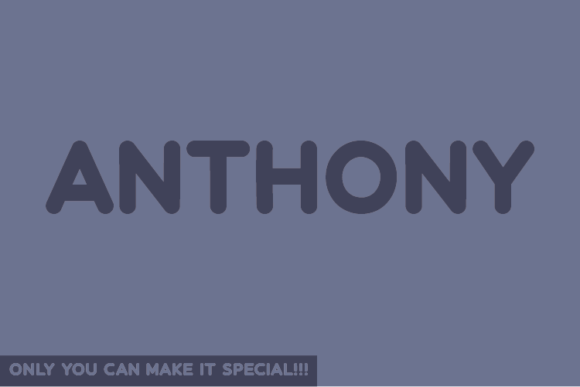
Anthony: The Uniquely Natural Handwritten Font
In the crowded landscape of digital typography, finding a typeface that feels genuinely human can be a challenge. Anthony emerges as a standout solution, a natural handwritten font created with an authentic touch—it was crafted without altering a single node in each character's indentation. This meticulous process preserves the organic flow and subtle imperfections of real handwriting, making Anthony a uniquely valuable asset for designers seeking authenticity and warmth in their visual projects.
For graphic designers and brand strategists, typography is a cornerstone of visual communication. The right font does more than display words; it conveys personality, emotion, and intent. Anthony's unrefined, natural style excels at breaking through the digital noise, offering a personal connection that polished, geometric fonts often lack. Its design is rooted in real human expression, making it an excellent tool for projects where relatability and charm are paramount.
Practical Applications for Modern Design
The versatility of a font like Anthony allows it to enhance a wide array of creative work. Its handwritten character brings a tactile, personal quality to both digital and print media, helping designs feel more approachable and bespoke.
- Branding & Logo Design: Use Anthony to create a brand mark that feels intimate and artisanal. It's perfect for boutique businesses, lifestyle brands, or any identity that values a personal touch over corporate sterility.
- Marketing Materials: From flyers and brochures to email headers, this font adds a conversational tone. It can make calls-to-action feel more like friendly suggestions, potentially improving engagement rates.
- Social Media Graphics: Stand out in feeds with quotes, announcements, or captions rendered in Anthony. Its handwritten nature is highly scroll-stopping and can boost the perceived authenticity of your content.
- Web & UI Design: Strategically use it for headlines, pull quotes, or accent text on a website to inject personality. It can guide the user's eye and create memorable moments within a clean interface.
- Packaging & Merchandise: The font is ideal for product labels, shopping bags, and merchandise like t-shirts or mugs. It communicates craftsmanship and care, aligning with modern consumer preferences for authentic products.
- Editorial & Presentation Design: In magazines, blogs, or slide decks, Anthony can highlight key points, create dynamic section breaks, or add a personal signature feel to professional presentations.
Integrating Authentic Typography into Your Workflow
Selecting and using a font like Anthony effectively requires thoughtful consideration within your broader design system. Its strength lies in contrast and selective application. Overusing a strong handwritten font can compromise visual hierarchy and readability, especially in long-form text.
Consider pairing Anthony with a clean, sans-serif font for body copy. This contrast creates a balanced composition, allowing the handwritten elements to serve as impactful highlights without overwhelming the viewer. Always test for scalability; while perfect for large headlines, ensure it remains legible at smaller sizes for digital interfaces or print collateral.
When building a brand identity, define clear guidelines for its use. Specify which contexts are appropriate—such as social media quotes or promotional materials—and which require a more neutral typeface. This ensures consistency across all touchpoints, from a website's UI design to its packaging design, reinforcing a cohesive and professional brand image.
Ultimately, the power of a creative asset like Anthony lies in its ability to transform communication. In a digital age saturated with generic visuals, choosing typography that embodies genuine human expression is a strategic decision. It strengthens brand identity, fosters emotional connections with your audience, and elevates the overall aesthetic and effectiveness of your design projects. By thoughtfully integrating such authentic elements, you ensure your visual language is not only seen but truly felt.